LWV Orange, Durham and Chatham Counties, Inc.


LWV Orange, Durham and Chatham Counties, Inc.
The League of Women Voters is a nonpartisan organization working to protect and expand voting rights and ensure everyone is represented in our democracy. We empower voters and defend democracy through advocacy, education, and litigation, at the local, state, and national levels.
Notes of Interest I Urge Congress I Current News Events I Do You Know? I What You Can Do I The Learning Center
Notes of Interest
- To translate English into another language, select Language menu at bottom of sidebar. Para traducir inglés a otro idioma, seleccione Idioma, menú en la parte inferior de la barra lateral.
- Visit Get Involved for LWVODC volunteer opportunites!
- Read current and past LWVODC Newsletters and Updates on the Members Only webpage. If you haven't logged into the website before, login information can be found at New Members.
Urge Congress to:
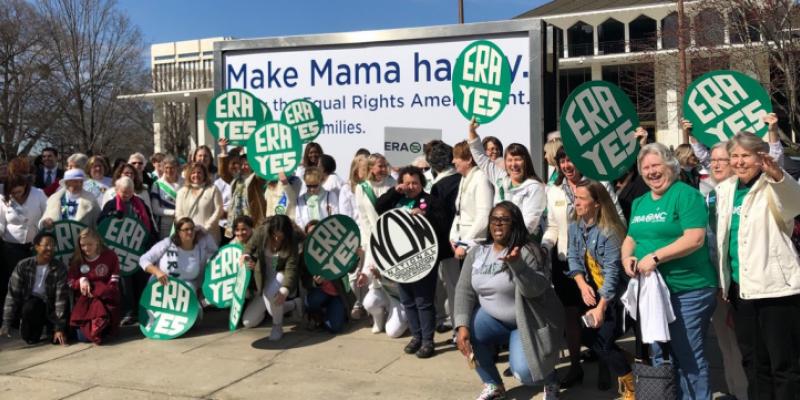
- ensure the Equal Rights Amendment (ERA) is finally added to our Constitution. Over 100 years after women won the right to vote, people in the US are still NOT guaranteed equality on the basis of sex.
- work together to protect the right to vote! Contact Congress Today. The Right to Vote is nonpartisan!
Current News Events
- March 26, 2024, LWVODC Members joined the Defend Medication Abortion rally in Washington DC. Learn more.
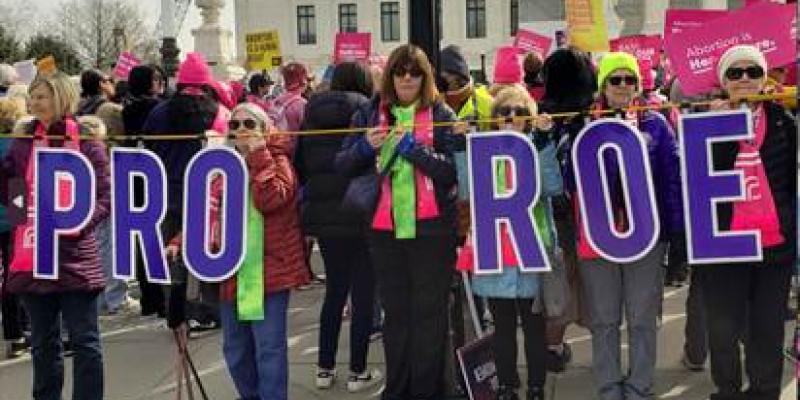
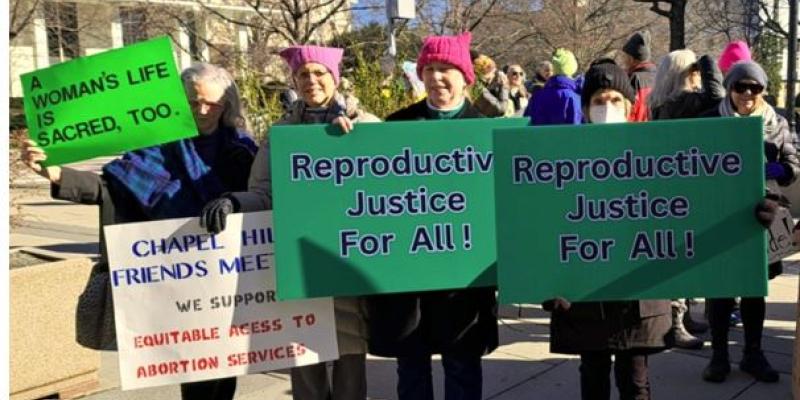
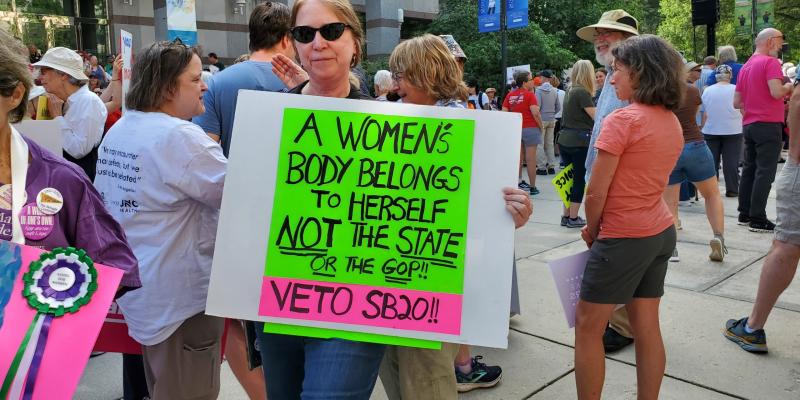
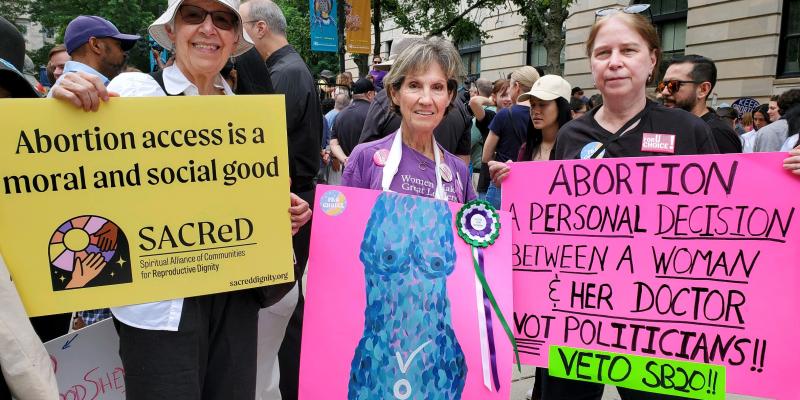
- January 22, 2024, Activists push for abortion access in Raleigh on Roe v. Wade. Triangle Inter-Faith Reproductive Justice Coalition rally. Video (Skip the ads) Photos: ODC Members at Rally. Rally Photo 1 Rally Photo 2 Rally Photo 3
Do You Know?
- NC citizens do not have the right to collect signatures to put constitutional amendments or new laws on the ballot? The state legislature has sole power over proposing constitutional amendments or new laws. LWVODC members are encouraged to participate in LWVODC & LWVNC Citizen Initiative and Referendum (CIR) Study. Currently, 26 states have a CIR process. This study is an essential step toward putting a League CIR position in place so we can advocate for its adoption in NC. Read More
- The NC Supreme Court heard oral arguments on Feb. 22, 2024, in the ongoing Leandro litigation. The case dates from the early 1990s and concerns the adequacy offunding public education in North Carolina. Although adjudicated and recently settled by the NC Supreme Court, a change in court composition resulted in them rehearing the case. Attend the Public Education Team meetings to find out more about this important topic and the next steps to help secure funding for our schools.
What You Can Do To Make It Happen:
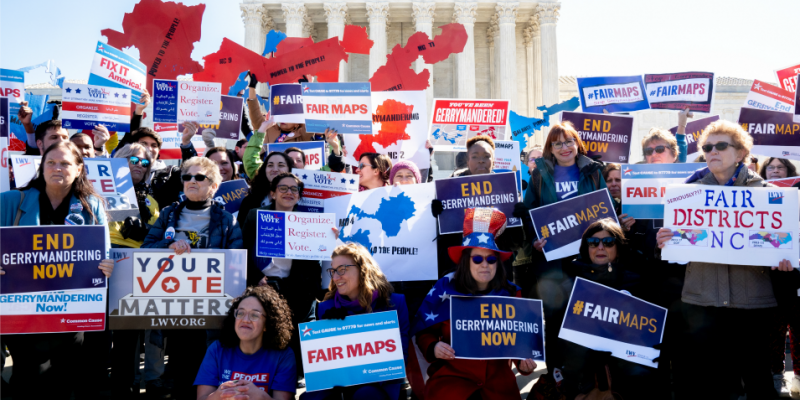
- Fair Elections & Redistricting Reform
- Join the Team!
- Check the Events Calendar for monthly and special meetings.
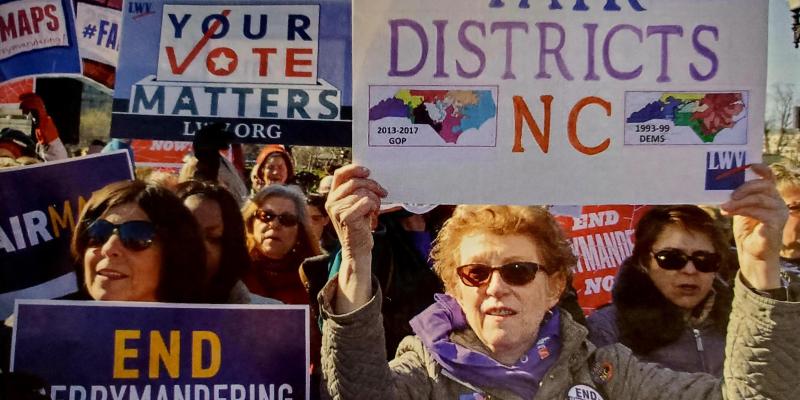
- Be informed. Read the latest updates on Redistricting in NC
- Better Public Schools
- Join our Team!
- Check the Events Calendar for monthly and special meetings
- Be informed. LWVODC believes strongly that high quality public education for all children is necessary to sustain our democratic way of life and the economic health of our state and the people.
 The Learning Center
- Be informed. The Learning Center webpage offers a way to stay abreast of current topics about our government, voting rights, and the state of our democracy. This page serves as a library for past lectures and virtual events that have been hosted by the LWVODC.

